Fitness Wearables Decoded: The Ultimate Guide to Choosing, Using, and Maximizing Your Health Tech
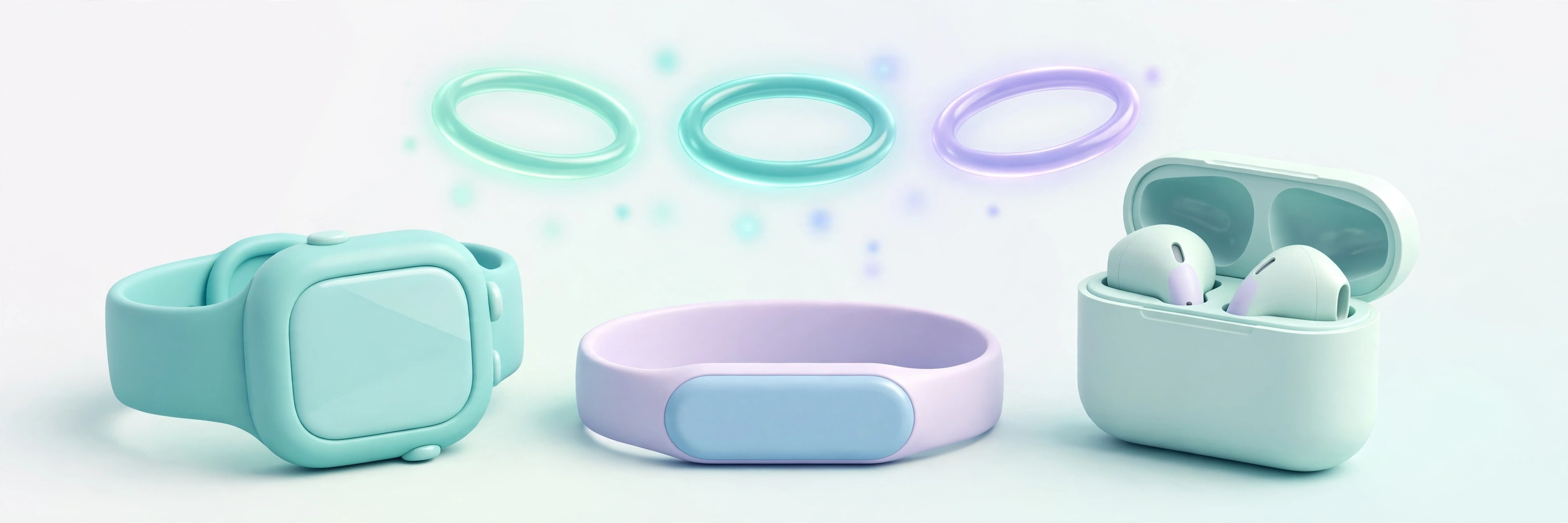
The $27 Billion Question: Are Fitness Wearables Worth It?
Mark, a 38-year-old software engineer, bought his first fitness tracker thinking it would magically motivate him to exercise more. Like 30% of fitness tracker users, he abandoned it within six months, frustrated by confusing data and no real change in his health.
Two years later, armed with better knowledge, Mark tried again. This time he:
- Chose the right device for his specific goals
- Learned to interpret the data that actually mattered
- Set up smart notifications and challenges
- Integrated tracking with behavior change strategies
The results were dramatic:
- Lost 28 pounds and kept it off
- Increased daily steps from 3,200 to 9,500
- Improved sleep quality from 6.2 to 7.8 hours nightly
- Reduced resting heart rate by 12 beats per minute
- Built sustainable exercise habits that lasted beyond the novelty phase
Mark's transformation illustrates a crucial truth: fitness wearables aren't magic, but when used correctly, they can be incredibly powerful tools for health optimization.
The State of Wearable Technology: What's Really Possible
Market Reality Check
By the numbers:
- 30% of Americans own a fitness tracker or smartwatch
- $27 billion global market projected to reach $75 billion by 2030
- Average abandonment rate: 30% within 6 months
- Successful users increase physical activity by 12-15% long-term
Why most people fail:
- Unclear goals and expectations
- Information overload without action
- Poor device choice for their needs
- Lack of understanding about data interpretation
- No integration with behavior change strategies
Why successful users thrive:
- Clear, specific health goals
- Focus on 2-3 key metrics
- Regular data review and adjustment
- Integration with lifestyle changes
- Realistic expectations about device capabilities
What Modern Wearables Can Actually Measure
Highly accurate (±5% error):
- Steps and basic movement
- Heart rate during rest and moderate exercise
- Sleep duration and basic sleep stages
- Active minutes and general activity levels
Moderately accurate (±10-15% error):
- Calories burned during activities
- Distance for walking/running (with GPS)
- Sleep quality metrics
- Recovery indicators
Less reliable (±20%+ error):
- Stress levels and stress recovery
- Body composition (body fat %)
- VO2 max estimates
- Detailed exercise form analysis
- Blood oxygen during exercise
Experimental/emerging:
- Blood glucose monitoring
- Blood pressure tracking
- Hydration levels
- Detailed recovery analytics
Choosing the Right Wearable: A Decision Framework
Step 1: Define Your Primary Goals
Weight Loss and General Fitness
- Focus: Steps, calories, basic activity tracking
- Budget: $50-150
- Recommended features: Long battery life, smartphone integration, basic heart rate
- Avoid: Expensive advanced metrics you won't use
Athletic Performance
- Focus: Heart rate zones, training load, recovery metrics
- Budget: $200-500
- Recommended features: GPS, advanced heart rate analytics, sport-specific modes
- Consider: Chest strap heart rate monitor for accuracy
Health Monitoring
- Focus: Resting heart rate, sleep tracking, trend analysis
- Budget: $100-300
- Recommended features: Continuous heart rate, sleep staging, long-term data storage
- Look for: FDA-cleared features for medical insights
Comprehensive Lifestyle Tracking
- Focus: All-in-one monitoring with smart features
- Budget: $250-800
- Recommended features: Smartwatch capabilities, multiple sensors, app ecosystem
- Consider: Whether you want phone replacement features
Step 2: Compare Key Brands and Models
Apple Watch Series
- Strengths: Best smartphone integration (iOS), comprehensive health features, large app ecosystem
- Weaknesses: Expensive, daily charging required, iOS only
- Best for: iPhone users wanting comprehensive health and smart features
- Price range: $249-799
Fitbit Lineup
- Strengths: Excellent sleep tracking, long battery life, strong community features
- Weaknesses: Limited smartwatch features, subscription required for advanced insights
- Best for: Focus on fitness fundamentals with social motivation
- Price range: $99-399
Garmin Devices
- Strengths: Superior GPS accuracy, extensive sport modes, excellent battery life
- Weaknesses: Steeper learning curve, less stylish design
- Best for: Serious athletes and outdoor enthusiasts
- Price range: $199-699
Samsung Galaxy Watch
- Strengths: Great for Android users, rotating bezel interface, good health features
- Weaknesses: Shorter battery life, best with Samsung phones
- Best for: Android users wanting smartwatch features
- Price range: $179-429
Budget Options (Amazfit, Huawei, etc.)
- Strengths: Affordable, long battery life, basic tracking
- Weaknesses: Less accurate sensors, limited app support
- Best for: First-time users or basic tracking needs
- Price range: $25-150
Step 3: Consider Your Lifestyle Factors
Work Environment
- Office job: Style matters, notifications useful
- Physical job: Durability and water resistance crucial
- Healthcare: Look for medical-grade certifications
- Travel frequently: Long battery life and multiple time zones
Exercise Habits
- Gym workouts: Heart rate zones, strength training modes
- Running/cycling: GPS accuracy, training metrics
- Swimming: Water resistance, swim-specific tracking
- Yoga/flexibility: May not need advanced features
Technology Comfort Level
- Tech-savvy: Advanced features and customization
- Prefer simplicity: Basic tracking with clear displays
- Social motivation: Strong community features and challenges
Mastering Your Data: What Metrics Actually Matter
Tier 1: Foundation Metrics (Most Important)
Daily Steps
- Target: 7,000-10,000 steps for general health
- Why it matters: Strong correlation with cardiovascular health and longevity
- Action tip: Focus on weekly averages, not daily perfection
- Warning signs: Consistent drops below 5,000 steps
Resting Heart Rate (RHR)
- Healthy range: 60-100 bpm (lower is generally better for fitness)
- Why it matters: Indicates cardiovascular fitness and recovery
- Tracking trend: Look for gradual decreases over months (indicates improving fitness)
- Red flags: Sudden increases (may indicate illness, overtraining, or stress)
Sleep Duration
- Target: 7-9 hours for most adults
- Why it matters: Affects recovery, metabolism, cognitive function
- Track trends: Weekly averages more important than nightly variations
- Quality indicators: Time to fall asleep, wake frequency
Tier 2: Optimization Metrics (Valuable for Active Users)
Heart Rate Zones During Exercise
- Zone 1: 50-60% max HR (recovery, fat burning)
- Zone 2: 60-70% max HR (aerobic base building)
- Zone 3: 70-80% max HR (tempo training)
- Zone 4: 80-90% max HR (lactate threshold)
- Zone 5: 90-100% max HR (neuromuscular power)
Active Minutes
- Target: 150 minutes moderate or 75 minutes vigorous weekly
- Why it matters: WHO guidelines for health benefits
- Measurement: Based on heart rate elevation
- Goal: Spread throughout week, minimum 10-minute bouts
Sleep Stages
- Deep sleep: 15-20% of total sleep (physical recovery)
- REM sleep: 20-25% of total sleep (mental recovery)
- Light sleep: 45-55% of total sleep (transition phases)
- Trends matter more: Than single night measurements
Tier 3: Advanced Metrics (For Serious Athletes)
Heart Rate Variability (HRV)
- What it measures: Variation between heartbeats
- Higher HRV: Generally indicates better recovery and fitness
- Use case: Training load management and recovery planning
- Important: Highly individual; track personal trends, not comparisons
Training Load and Recovery
- Training Stress Score: Accumulated workout intensity
- Recovery time: Estimated time needed between hard sessions
- Fitness trends: Long-term cardiovascular improvements
- Balance: Avoiding overtraining while maintaining progress
VO2 Max Estimates
- What it measures: Maximum oxygen uptake capacity
- Fitness indicator: Higher numbers indicate better cardiovascular fitness
- Limitations: Estimates only, not as accurate as lab testing
- Trends: More valuable than absolute numbers
Tier 4: Experimental Metrics (Use with Caution)
Stress Scores
- High variability: Between individuals and devices
- Limited accuracy: Based on HRV algorithms
- Use for trends: Not absolute stress levels
- Combine with: Subjective feelings and life context
Body Battery/Energy Scores
- Proprietary algorithms: Differ between manufacturers
- General guidance: Can help with pacing daily activities
- Don't rely solely: On these scores for important decisions
- Personal patterns: Learn what affects your scores
Setting Up Your Wearable for Success
Initial Configuration: Getting Started Right
Week 1: Baseline Establishment
- Wear device 24/7 to establish personal baselines
- Don't change behavior yet—just observe
- Set up basic notifications and goals
- Learn the interface and basic features
Week 2: Goal Setting
- Set realistic, specific goals based on baseline data
- Start with one primary goal (e.g., increase daily steps by 1,000)
- Enable relevant notifications and reminders
- Join challenges or find accountability partners
Week 3: Behavior Integration
- Use data to identify patterns and opportunities
- Set up smart notifications for movement reminders
- Begin adjusting routines based on insights
- Track how changes affect your metrics
Week 4: Optimization
- Fine-tune notification settings
- Adjust goals based on progress
- Identify which metrics drive the most positive behavior
- Plan for long-term sustainability
Smart Notification Setup
Movement Reminders
- Set hourly reminders during work hours
- Customize for your schedule (no reminders during meetings)
- Choose vibration over sounds for workplace appropriateness
- Aim for 250 steps per hour during waking hours
Sleep Tracking
- Enable bedtime reminders 30-60 minutes before target sleep time
- Set consistent wake-up time, even on weekends
- Use smart alarms that wake you during light sleep phases
- Track caffeine intake and its effect on sleep quality
Workout Motivation
- Set weekly exercise goals with specific targets
- Enable completion celebrations and achievement badges
- Join virtual challenges with friends or community
- Set up post-workout recovery reminders
Data Review and Action Planning
Daily Check-ins (2-3 minutes)
- Review yesterday's key metrics
- Note any patterns or unusual readings
- Plan today's activities based on recovery data
- Adjust goals if needed for today
Weekly Reviews (10-15 minutes)
- Analyze weekly trends and patterns
- Identify successful strategies and challenges
- Adjust goals and settings for the coming week
- Plan specific actions based on insights
Monthly Deep Dives (30 minutes)
- Look for long-term trends and progress
- Correlate life events with metric changes
- Adjust overall health strategy based on data
- Consider whether device meets your evolving needs
Common Pitfalls and How to Avoid Them
The Data Obsession Trap
Warning signs:
- Checking metrics multiple times per day
- Anxiety when device isn't working
- Making decisions based solely on device recommendations
- Comparing your metrics obsessively to others
Solutions:
- Set specific times for data review
- Focus on trends, not daily fluctuations
- Remember devices have limitations and errors
- Use data as one input among many for decisions
The Perfectionism Problem
The issue: Trying to hit every metric perfectly every day Reality: Sustainable health is about consistency, not perfection Better approach:
- Aim for 80% compliance with goals
- Focus on weekly and monthly trends
- Allow for life circumstances and flexibility
- Celebrate progress, not just perfect days
Ignoring the Basics for Advanced Metrics
Common mistake: Focusing on HRV and training load while ignoring sleep and steps Better strategy: Master fundamental metrics before advancing Priority order: Sleep → Steps → Heart rate → Exercise → Advanced metrics
Not Acting on Insights
The problem: Collecting data without changing behavior Solution framework:
- Identify: What does the data tell you?
- Analyze: Why might this pattern exist?
- Plan: What specific action will you take?
- Execute: Implement the change consistently
- Evaluate: Did the change improve your metrics and well-being?
Advanced Strategies for Power Users
Integration with Other Health Tools
Nutrition apps: Correlate eating patterns with energy and performance Sleep environment: Use smart thermostats and lighting with sleep data Stress management: Combine meditation apps with HRV tracking Medical records: Share relevant data with healthcare providers
Creating Personal Experiments
Example 1: Sleep Optimization
- Baseline: Track sleep for 2 weeks with current routine
- Variable: Change bedtime by 30 minutes earlier
- Measure: Sleep quality, duration, and next-day performance
- Duration: 2 weeks minimum
- Conclusion: Keep change if improvements sustained
Example 2: Exercise Timing
- Baseline: Track energy levels and workout performance
- Variable: Switch workout time (morning vs. evening)
- Measure: HRV, resting heart rate, subjective energy
- Duration: 3-4 weeks to account for adaptation
- Conclusion: Choose timing that optimizes both performance and life schedule
Example 3: Stress Intervention
- Baseline: Track stress scores and HRV for 2 weeks
- Variable: Add 10-minute daily meditation
- Measure: Stress trends, sleep quality, HRV improvements
- Duration: 6 weeks minimum for habit formation
- Conclusion: Quantify the impact of stress management
Building a Comprehensive Health Dashboard
Combine multiple data sources:
- Wearable device metrics
- Smartphone health apps
- Smart scale measurements
- Blood pressure monitors
- Nutrition tracking apps
- Mood and energy subjective ratings
Create weekly scorecards:
- Rate each health area on 1-10 scale
- Identify correlations between different metrics
- Focus improvement efforts on lowest-scoring areas
- Track holistic health trends over time
The Future of Wearable Technology
Emerging Capabilities
Non-invasive glucose monitoring:
- Expected timeline: 2-5 years
- Impact: Revolutionary for diabetes management and general health
- Current status: Multiple companies in development phase
Blood pressure monitoring:
- Timeline: Available now in some devices, improving accuracy
- Benefits: Continuous BP tracking without cuffs
- Limitations: Still requires periodic calibration
Advanced sleep analysis:
- Sleep disorder detection (sleep apnea, restless leg syndrome)
- Environmental optimization recommendations
- Integration with smart home systems
Mental health monitoring:
- Depression and anxiety indicators
- Cognitive function assessments
- Personalized mental health interventions
AI and Personalization
Predictive analytics:
- Illness prediction based on pattern changes
- Optimal training recommendations
- Personalized recovery protocols
- Nutrition timing optimization
Behavior change optimization:
- AI-powered coaching based on individual psychology
- Personalized motivation strategies
- Adaptive goal setting based on success patterns
- Integration with life circumstances and preferences
Making the Most of Your Investment
Getting Started Checklist
Before purchase:
- Define your primary health goals
- Set a realistic budget
- Research compatibility with your devices
- Read reviews from people with similar goals
- Consider starting with a basic model
First week with device:
- Establish baseline metrics
- Learn all basic functions
- Set up notifications and reminders
- Connect with friends or communities
- Download relevant companion apps
First month optimization:
- Analyze patterns and trends
- Adjust goals based on data
- Identify most motivating metrics
- Create action plans for improvements
- Build sustainable routines
Long-term Success Strategies
Avoid abandonment:
- Start with realistic expectations
- Focus on gradual improvements
- Celebrate small wins consistently
- Adjust goals as you progress
- Find accountability partners
Evolving your usage:
- Begin with basic metrics
- Gradually add complexity as habits form
- Regularly reassess whether device meets current needs
- Consider upgrading as goals change
- Share insights with healthcare providers
When to Seek Professional Guidance
Medical Integration
Share data with healthcare providers for:
- Irregular heart rhythms detected
- Significant changes in resting heart rate
- Sleep disorder patterns
- Exercise intolerance indicators
- Medication effect monitoring
Consider professional coaching for:
- Athletic performance optimization
- Complex health goals requiring expertise
- Behavior change challenges
- Integration with existing medical conditions
- Advanced training program design
Red Flags to Watch For
Device-related concerns:
- Skin irritation or allergic reactions
- Obsessive checking behaviors
- Anxiety when device isn't working
- Making major life decisions based solely on device data
Health-related warnings:
- Consistent unusual readings
- Sudden changes in baseline metrics
- Exercise intolerance or unusual fatigue
- Sleep pattern disruptions
- Any concerning symptoms alongside device readings
Conclusion: Your Path to Data-Driven Health
Fitness wearables represent one of the most democratizing health technologies ever created. For the first time in human history, detailed health and activity data that once required expensive lab tests or medical monitoring is available on your wrist 24/7.
But as Mark learned, and as millions of successful users have discovered, the device itself isn't the magic—it's how you use the insights it provides. The most successful wearable users share common traits:
- They start with clear goals and realistic expectations
- They focus on fundamental metrics before advancing to complex data
- They use data to drive specific behavior changes
- They view their device as a tool, not a solution
- They integrate tracking with broader lifestyle changes
Your fitness wearable can be a powerful catalyst for health transformation, but only if you approach it strategically. Start with the basics, focus on trends over daily fluctuations, and remember that the goal isn't perfect data—it's sustainable health improvements that enhance your quality of life.
The future of health is increasingly personal, data-driven, and preventive. Your wearable device is your entry point into this future, providing insights that can help you live longer, feel better, and perform at your best.
Your journey starts with your next choice: Will you be among the 30% who abandon their device, or join the successful users who transform their health through intelligent use of wearable technology?
Ready to maximize your wearable technology? Zuvo integrates with leading fitness trackers to provide personalized insights, intelligent coaching, and actionable recommendations that turn your data into lasting health improvements.
